Is it Worth Having a Wine Cellar? What it Adds to Your Home Value — and Happiness
Wine cellars are a popular feature in high-end houses. Will installing one in your home increase its value, or would you be better off with a cheaper solution?


Manny Varas takes his wine seriously — so seriously that he built a wine cellar at home to house his 900-bottle collection.
The contemporary space features a domed ceiling, insulated glass and club seating for tastings. Forgoing the classic wooden cellar look, Varas opted for stone walls and metal display racks.
"I have about 150 bottles displayed and 800 hidden away. It just shows a difference in style where a lot of our clients and I are trying to do 'less is more,' " says Varas, founder of construction company MV Group USA in Miami. "It's there, but we don't have to have everything exposed like the old traditional wine cellars."
From just $107.88 $24.99 for Kiplinger Personal Finance
Become a smarter, better informed investor. Subscribe from just $107.88 $24.99, plus get up to 4 Special Issues

Sign up for Kiplinger’s Free Newsletters
Profit and prosper with the best of expert advice on investing, taxes, retirement, personal finance and more - straight to your e-mail.
Profit and prosper with the best of expert advice - straight to your e-mail.
As wine cellars become more popular in higher-end homes, some homeowners might wonder if the investment is worth it — for their wine collection or their wallet.
Passive wine cellars, for the casual enthusiast
Before assessing the value, it helps to understand the two types of wine cellars — passive and active.
A passive wine cellar isn't refrigerated and typically has less storage. "A passive wine cellar can still be in a separate room with a door. A lot of times we'll do the frame of glass — though the cellar is for storage, it's mainly for looks," says Audrey Frances Doty, founder of Audrey Frances Design in Atlanta.
Passive wine cellars are often installed in cool, dark places (such as finished basements) and can start at around $5,000. "Usually, the person is not a serious wine collector," says Doty. "They're into it, they love drinking it, but don't have an extensive collection."
Leveling up and keeping cool with active wine cellars

For serious collectors, active wine cellars offer more control of refrigeration and humidity — and have the price tag to match.
Instead of drywall, active wine cellars use mold-resistant blue board and spray foam insulation to protect the room from heat. Varas says a 300-foot wine cellar usually starts around $60,000.
Some people install wine fridges within their cellars so they can store different types of wines — such as Champagne, which is kept at a cooler temperature than Merlot — in the same space.
Do wine cellars add resale value to a house?
It depends.
"It's hard to put a dollar amount on it, but what we see, especially in homes above $5 million, is you need a hook," says Harvin Greene, a real estate agent with Dorsey Alston Realtors in Atlanta. "You need something that pulls people in and is unique."
Luxury cellars add a unique element that can set a house apart, and at that price level, a wine cellar is almost expected, even if they’re not always used for wine.
"We're starting to see people use them a lot for bourbons, tequilas and also cigars," says Greene. In homes under $2 million, she finds that cellars aren't as appreciated because space is more limited, and owners aren’t storing high volumes of wine.
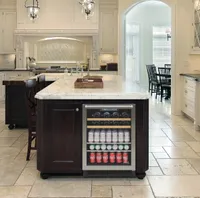
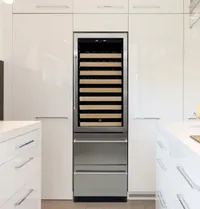
In these homes, wine cellars won't raise the appraised value, but a thoughtfully integrated wine feature, such as a wine fridge or a small-scale cellar, stands out. "That's a nice feature that doesn't take up a lot of square footage and doesn't require a massive amount of wine to fill it," says Greene.
Who really 'needs' a wine cellar in their home?
Wine cellars make the most sense for wine enthusiasts investing in their collections, which often means buying in bulk and tracking maturation dates.
"I like to be able to understand when a wine is going to be at its maturity and peak," says Varas. "It's a fun investment strategy where you buy a bottle that you're not able to drink for several years and you’re getting it at a discounted rate."
For example, you might buy a 2021 bottle of Château Lafite Rothschild that doesn’t mature until 2029. "That bottle you could purchase today at $200 and a fully matured one that's ready to drink, it's $1,500," he says. "But you're able to buy it at an 80% discount because of the wait."
Apps such as InVintory help track when bottles are ready.
Wine cellars don't have to be luxurious to be functional. In Napa, Stevie Stacionis, a wine strategist and restaurateur, recently built a wine cellar in her garage for about $2,200 with the help of her handy husband. Industrial Metro rack shelving lines the 72-square-foot room, the wine bottles reside in stackable cardboard tubes, and thick rubber mats cover the concrete floors (in case of earthquakes). The cellar stays at a cool 57 degrees with controlled humidity to keep the corks plump.
Protecting the wine’s integrity was paramount; the aesthetics, not so much.
"About 90% of the wine in our cellar, I'm going to drink it very soon," says Stacionis. "However, I do care about how intact it stays, and I know that I don't keep my house at a proper temperature."
Stacionis mostly buys wines made with minimal intervention, so they're more sensitive to temperature fluctuations. "You want to protect the wine from heat, light and oxygen," she says.
The bottom line on home wine cellars

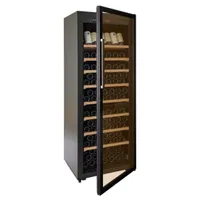
Ultimately, a full-fledged wine cellar isn't for everyone, especially if you're not buying wine by the case or trying to design a showpiece. It's not all or nothing, however. For those who don't want to invest in a wine cellar, a wine cooler is a step in between.
Stacionis suggests a EuroCave wine cooler, which mimics a wine cellar's temperature and humidity settings without taking up too much space.
"If you're buying wine and your house is never going to be more than 70 degrees, and you think you're going to drink the wine within the next few months, just keep it in the fridge," says Stacionis. "If you're really looking to save it for longer than a year, it just needs to be at a proper temperature in a wine fridge."
Whether you’re growing a Burgundy collection or stocking up on enough Sauvignon Blanc to last through summer, properly stored wine is a luxury itself — club seating optional.
Related content
